Selling in Austin this year means playing to win on presentation. With inventory sitting higher and buyers expecting value, the homes that look polished, feel move-in ready, and photograph beautifully tend to rise to the top. If you are eyeing a spring or early summer launch, you can follow a simple plan that keeps your time and budget focused where it matters most.
This guide gives you a clear, Austin-tailored roadmap. You will see quick wins, smart ROI updates, realistic timelines, and local checks like permits and water-wise landscaping. Follow along to prep with confidence and hit the market ready. Let’s dive in.
Why presentation matters in Austin now
Austin’s market is more balanced than last year, which puts a spotlight on how you present your home. In February 2026, the Austin–Round Rock–San Marcos area posted a median sale price of $412,000, with the City of Austin at $540,000 and Travis County at $489,900. Months of inventory hovered near 6.5 to 6.6, and the average close-to-list ratio sat below 100%, signaling more room for negotiation for buyers. You can see the full picture in the Unlock MLS February 2026 housing report.
In a setting where buyers have options, strong presentation and strategic pricing help you stand out. Use recent comps in your neighborhood and price tier to decide where to invest. A realistic list price paired with top-notch visuals and staging puts you in the best position.
Your Austin prep roadmap
Below is a practical sequence that works for most sellers. Tackle Quick Wins first, then add Short Projects if time and budget allow. Only move to Mid Projects if you have the runway.
Quick Wins: 0–2 weeks
- Declutter and depersonalize. NAR’s staging research shows agents overwhelmingly recommend this first step because it helps buyers picture their life in the home. See the NAR Profile of Home Staging for details.
- Deep clean from top to bottom. Carpets, grout, inside cabinets, windows, and light switches matter. Odor removal is essential.
- Refresh paint where it shows most. Neutral walls and crisp trim photograph well. Get two or three local quotes. For general cost context, see interior painting cost guidance.
- Knock out minor repairs. Tighten hardware, swap tired switch plates, re-caulk tubs and showers, and replace dated bulbs and basic fixtures.
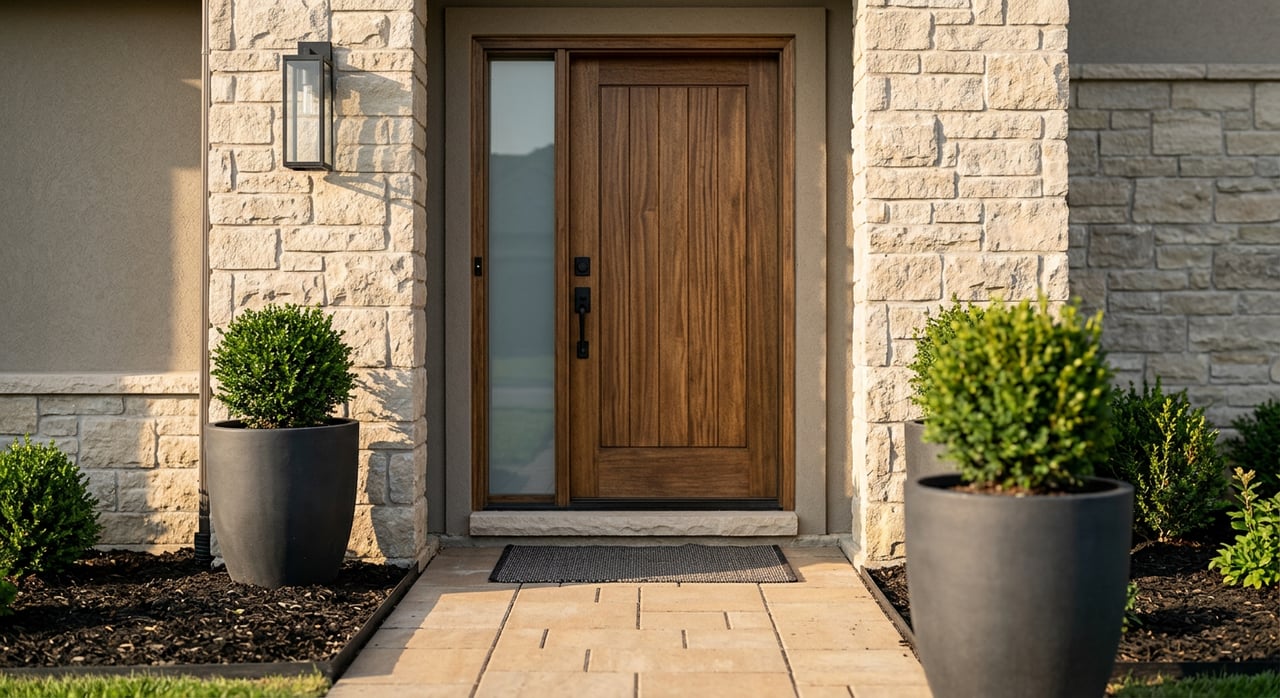
- Boost curb appeal fast. Mow and edge, trim hedges, refresh mulch, clean the porch, and power-wash the drive and walkway. Choose low-water native plants and simple container color. For Central Texas plant ideas, explore the City’s Create Wildlife Habitat resources.
Short Projects: 2–6 weeks
Prioritize projects that photograph well and return value at resale, based on the Cost vs. Value rankings.
- Targeted kitchen refresh. Refinish or paint cabinet faces, update hardware and a faucet, and consider a simple counter update if needed. Minor, midrange kitchen updates often recoup strongly per Cost vs. Value 2025.
- Replace or repair the garage or front door. These curb-forward upgrades frequently rank at the top for payback and make a strong first impression in photos.
- Improve lighting. Replace dated or dark fixtures, add brighter bulbs, and consider modest landscape lighting to showcase outdoor living. If you change wiring or plan exterior electrical work, confirm requirements with the City’s permit guidance.
Mid Projects: 6–12+ weeks
Move forward only if your comps support the spend and your timeline allows completion before you list.
- Larger exterior work. Siding improvements, manufactured stone accents, or deck replacement can rank well for curb-focused ROI, but they require more time and coordination. See Cost vs. Value 2025.
- Flooring replacement. If existing floors are significantly worn, consider vinyl plank or engineered hardwood for broad appeal.
Avoid gut remodels right before listing unless you plan to hold the home longer or have exceptional comps. Big-ticket projects rarely return seller dollars on a short timeline, so rely on Cost vs. Value data to stay disciplined.
Staging and photos that sell
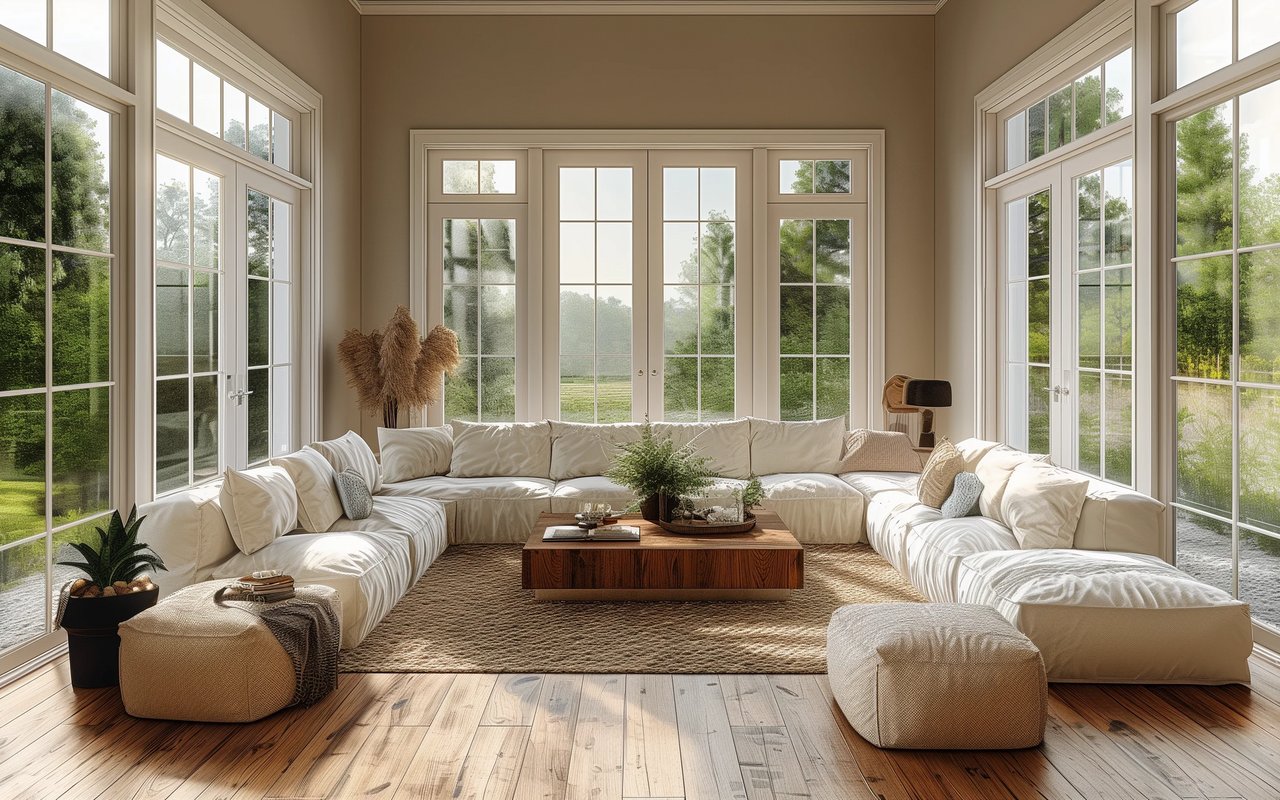
Staging helps buyers visualize how to live in the space. In NAR’s research, 81% of buyer agents said staging makes it easier for buyers to see a property’s potential, and many agents reported staging can increase offer prices in the 1% to 5% range. The most important rooms to stage are the living room, primary bedroom, and kitchen. See the full findings in the NAR Profile of Home Staging.
If you are budgeting, focus on those key rooms first. The median spend for a staging service was about $600 in NAR’s report, while agent-staged homes had a median of about $400. Full-house staging for vacant properties can be higher, so get local quotes.
Professional photography is essential because buyers screen listings online before they ever book a tour. Schedule photos after decluttering, cleaning, and staging are complete. Capture wide, well-lit images of each room, exterior hero shots, and at least one standout thumbnail image. For vacant homes, virtual staging and AI-assisted options can be cost-effective, but they must be clearly disclosed to avoid misrepresentation. Learn more about digital staging and photography operations in NAR’s guidance on smart staging and faster deals.
Timing your launch in Austin
Austin’s seasonality tends to favor early spring into late spring. Several local insights point to a seller advantage when a home is active from March through May. If you want to catch that window, begin preparations 6 to 10 weeks before your target list date. See an overview of local timing considerations in this Austin-specific guide.
Here are two sample timelines:
Accelerated 4-week plan
- Week 1: Declutter, deep clean, and get contractor bids.
- Week 2: Paint touch-ups and minor repairs.
- Week 3: Landscaping refresh, finalize staging.
- Week 4: Professional photos, then go live.
Standard 6–10 week plan
- Weeks 1–3: Schedule and complete priority short projects like a garage door or kitchen refresh.
- Weeks 4–6: Staging, photos, and marketing assets.
- Week 7 and beyond: List, host open houses, and drive showings.
Local checks: permits, HOAs, and water-wise curb appeal
- Permits and inspections. For exterior changes, structural work, or significant electrical and plumbing updates, confirm City of Austin permitting early so your timeline stays on track. Start at the City’s permit portal.
- HOA and deed restrictions. Many Austin neighborhoods have HOAs or architectural committees that regulate exterior paint, fencing, and landscaping. Review your CC&Rs and submit design or paint applications early. For Texas HOA rules context, see this overview of Chapter 209 from a local HOA management firm: Texas Residential Property Owners Protection Act.
- Water-wise landscaping. Central Texas-friendly plants help your yard look great with less irrigation and maintenance. For ideas that support curb appeal and resilience, explore the City’s Create Wildlife Habitat resources.
Budget snapshot and scheduling tips
- Staging. The NAR median spend was about $600 for a staging service and about $400 for agent-staged efforts. Full-house or vacant-home staging can be higher, so request written quotes and scope details.
- Photography. Basic packages often run in the low to several hundreds depending on add-ons like twilight, drone, and floor plans. Book 1 to 2 weeks in advance during busy seasons. See NAR’s notes on digital staging and photography workflows.
- Painting. Whole-home or room-focused painting varies by size and prep. Use two or three Austin quotes to dial in your budget. For general context, review interior painting cost guidance.
- Landscaping. A simple refresh with pruning, mulch, and a few feature plants often lands in the low hundreds. Focus on visible wins for photos.
Build a short list of preferred vendors and secure dates early. Spring calendars can fill quickly in Austin.
One-page checklist for ready sellers
- 8–10 weeks out: Choose your agent, consider a pre-list inspection, and gather quotes for one or two high-impact short projects. Use NAR’s top pre-list tasks as your foundation.
- 6–8 weeks: Complete exterior quick wins. Decide your staging approach and book it. Use water-wise curb strategies for curb appeal.
- 3–4 weeks: Finish kitchen or door upgrades and paint touch-ups. Confirm photographer date.
- 1–2 weeks: Stage the home, then complete photography, 3D tour or floor plan if needed. Finalize listing copy and go live.
A smoother Austin sale starts here
If you want a fast, polished launch with minimal stress, partner with a listing agent who blends staging, data, and tight execution. With a concierge approach, complimentary speed-staging options, and modern marketing tools, you can step into the market with confidence and clarity.
Ready to map your listing plan, room by room, and set a smart timeline? Connect with Evie Hansen for a personalized Austin prep consult and a clear path to a standout debut.
FAQs
What should I prioritize first when prepping an Austin home?
- Start with decluttering, deep cleaning, and small repairs, then address curb appeal and neutral paint so your home photographs well and shows move-in ready.
How much does staging typically cost for Austin listings?
- NAR reports a median of about $600 for a staging service and about $400 when an agent stages, while full-house vacant staging can be higher depending on scope and square footage.
Which pre-listing updates usually deliver the best ROI?
- Cost vs. Value rankings often favor curb-forward projects like garage and entry doors, plus minor midrange kitchen updates that boost buyer perception without a full remodel.
Do I need a permit for exterior or electrical updates in Austin?
- It depends on the scope; many exterior or wiring changes require permits, so confirm specifics with the City of Austin’s permit guidance before starting work.
When is the best time to list a home in Austin?
- Early spring through late spring is often favorable; plan to start prep 6 to 10 weeks before your target go-live date to align with that window.
Is virtual staging OK for a vacant home?
- Yes, virtual staging can be fast and cost-effective, but images must be clearly disclosed and not misleading to buyers, consistent with NAR guidance.