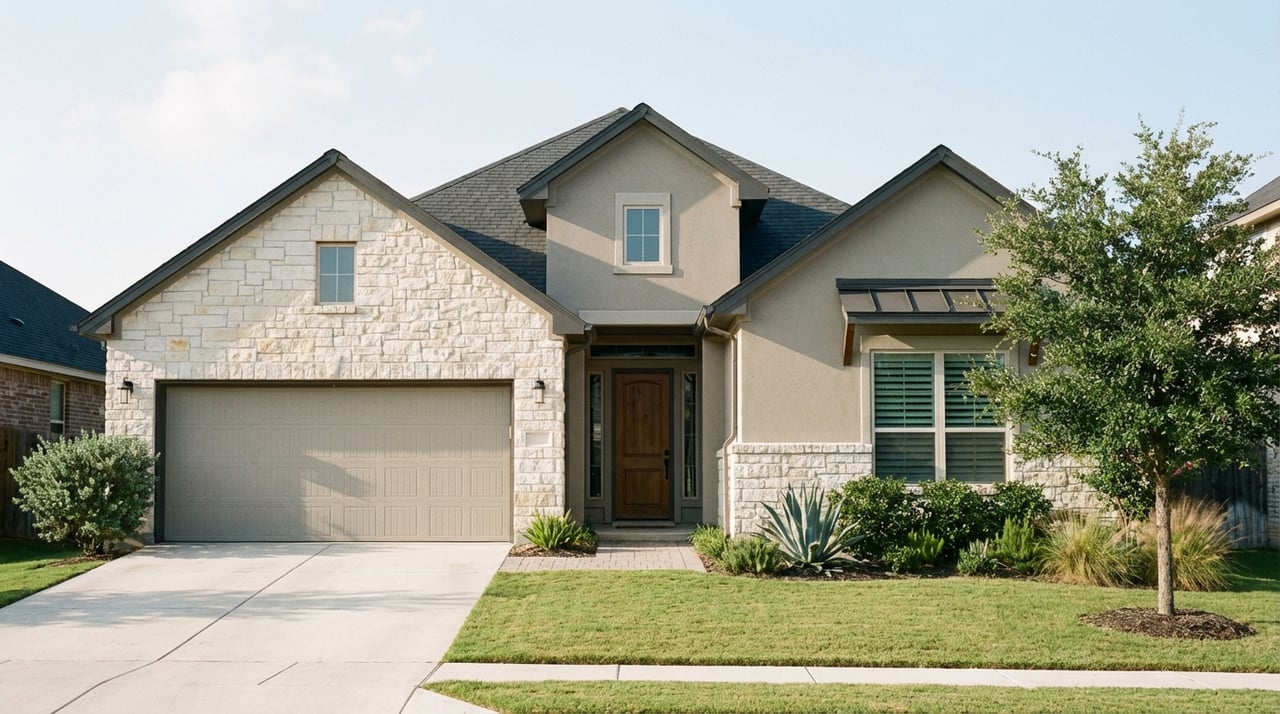
Trying to decide between San Antonio, Austin, and Houston for your next home can feel like three good choices and one big question. You want the right mix of affordability, commute, and career fit, and if you are a military household, timing and support matter even more. In this guide, you will see clear, side‑by‑side differences in costs, commutes, jobs, and everyday lifestyle so you can choose with confidence. Let’s dive in.
San Antonio typically offers the lowest median sale price among the three. Recent market trackers show a city median near $250,000 and a Bexar County median near $280,000 as of January 2026. This reflects broad single‑family supply, active new construction, and many suburban options across the north and northeast sides. Local data also showed San Antonio trending as a more buyer‑friendly market in late 2025 and early 2026, which can mean more room to negotiate in many neighborhoods.
What you will see on the ground:
Austin’s city median sits near $499,950 as of January 2026. Prices vary widely by neighborhood, with close‑in areas and luxury segments trading far above the median. Expect a mix of central bungalows and mid‑century homes, newer infill and condo options, and fast‑growing suburban markets that serve major employers.
Houston’s city median is near $324,200 as of January 2026. The region’s size and job clusters create big differences by submarket. You will find starter‑to‑midrange single‑family homes in many suburbs, established master‑planned communities, and higher‑density options inside the loop.
Household incomes vary across the three cities. San Antonio’s city median household income is roughly in the mid‑$60,000s, while Travis County is in the upper‑$90,000s and Houston’s city figure is in the low‑$60,000s, based on multi‑year Census QuickFacts reporting. These figures help explain why Austin’s higher price point is more common near its tech‑driven job base, while San Antonio and Houston provide a wider range of entry points. You can review median income and commute baselines in Census QuickFacts.
Texas does not levy a state personal income tax, so local governments rely heavily on property taxes. Your actual bill depends on the combined rates for city, county, school district, and special districts tied to your address. Before you buy, model property taxes with the current year’s adopted rates and your estimated assessed value. For a plain‑English overview of how Texas property tax works, see the Texas Comptroller’s property tax explainer.
Insurance can shift your monthly cost, especially near the coast. Parts of Harris County face higher wind and hurricane exposure, and the Texas Windstorm Insurance Association is the insurer of last resort for designated coastal zones and some Harris County areas. Review TWIA basics and how coverage works in coastal regions at the TWIA overview. For any Texas home, get quotes for homeowners and, if needed, flood coverage. Always check parcel‑level FEMA flood maps, confirm lender requirements, and ask your insurer about recent premium trends for the ZIP you are targeting.
Other recurring costs to budget:
Average one‑way commute times are similar in San Antonio and Austin and somewhat longer in Houston. County and city figures from Census QuickFacts show San Antonio around 24 to 26 minutes, Travis County around 25 minutes, and Houston closer to 27 to 29 minutes. Actual experience depends on your job location, corridor traffic, and whether you live in city or farther out. See baseline commute data in Census QuickFacts.
Austin’s Project Connect is moving through federal review and procurement, with Phase 1 light rail and supporting rapid‑transit elements planned to reshape key central corridors over time. This could influence which neighborhoods become more transit‑friendly, though construction and full operations are multi‑year. You can track program milestones through recent reporting on Project Connect contracting progress.
San Antonio remains largely car‑oriented, though VIA Metro is working on targeted frequency improvements, rapid bus lines, and zone‑based rideshare through VIA Link. These updates aim to make cross‑city travel easier, including connections to job centers and Joint Base San Antonio. Recent coverage of the system’s service changes and goals can be found in the San Antonio Express‑News transit overview.
METRO operates extensive bus service and a growing rail network. Given the region’s size and spread‑out job clusters, many residents still drive, especially for suburban commutes into areas like the Medical Center, downtown, and the energy corridor. You can see service updates and plans through METRO’s public bulletins.
Your household’s job locations are a major driver of where you should live.
Match your commute tolerance to the job node that matters most. If your household splits between different centers, consider a suburb that balances both drives or an area with a reliable transit alternative as those options expand.
San Antonio is one of the country’s largest military communities, with JBSA spanning Fort Sam Houston, Lackland, and Randolph. You can live on base in privatized housing or off base in nearby neighborhoods that fit your commute, budget, and school preferences. The installation’s size influences rental demand and starter‑home inventory near base gates, especially around PCS cycles, so timing and preparation matter. For on‑base options and guidance, start with the official JBSA housing office.
If you plan to live off base, use this quick checklist:
Houston’s proximity to the Gulf increases wind and flood exposure in parts of Harris County. TWIA governs wind and hail coverage in designated coastal zones and portions of Harris County, and flood insurance is a separate policy. Review the TWIA overview to understand how wind coverage works on the coast. Hurricane Harvey’s 2017 flooding is a key reference point for how Houston approaches flood planning and insurance. You can read a national summary of the event’s impact in this disaster housing recovery update.
San Antonio and Austin are inland, though both have flood‑prone creek and river corridors. Always verify a property’s flood zone, past flood claims if available, and lender requirements before you make an offer.
Your best choice starts with clear priorities. Set a budget that includes taxes and insurance, define your acceptable commute time, and list your must‑have features. If you are a military family, align your timeline to PCS windows and BAH. Then preview a few neighborhoods that fit on paper and schedule tours to confirm the on‑the‑ground feel.
If you want a trusted guide who understands PCS timelines, VA financing basics, and San Antonio’s neighborhood options, reach out to Evie Hansen for a tailored plan and a smooth, time‑sensitive relocation.

4204 Gardendale San Antonio TX 78253
4204 Gardendale San Antonio TX 78253