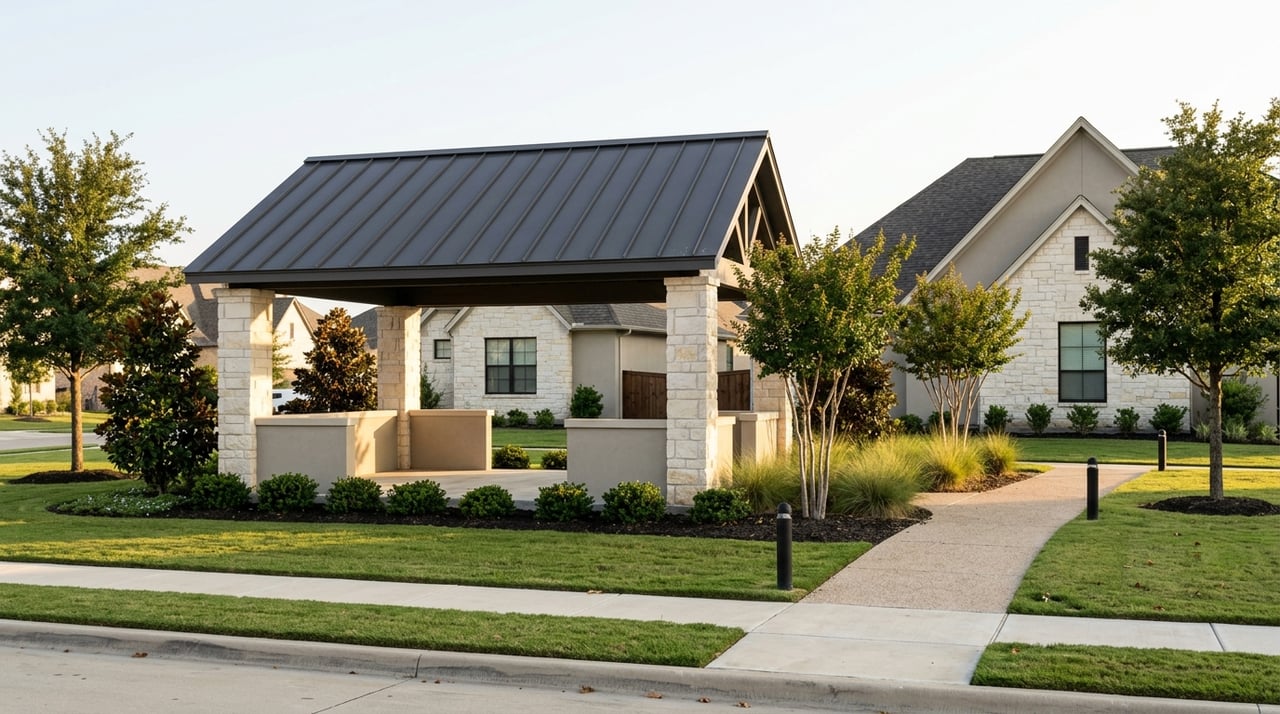
Picture weekend swim time at a resort-style pool, a quick walk to trails and parks, and a community calendar full of movies in the park and food‑truck nights. That’s the everyday rhythm many buyers imagine in a Houston‑area master‑planned community. If you’re weighing that lifestyle, you also want clarity on costs, rules, flood risk, and commute tradeoffs so you can decide with confidence.
In this guide, you’ll learn how Houston’s master‑planned communities are built and governed, what daily life looks like, what recurring fees to expect, and a simple checklist to use before you buy. Let’s dive in.
A master‑planned community (MPC) in Houston is a large, developer‑led neighborhood built to a long‑term plan with homes, trails, parks, and on‑site conveniences like retail and medical. The Houston region leads the country for MPC scale thanks to available land, active builders, and public‑finance tools that fund roads, water, sewer, and drainage early in the buildout. Many projects span thousands of acres with multiple villages and amenity centers. You’ll see this pattern in places like The Woodlands, Bridgeland, Cinco Ranch, Cross Creek Ranch, Sienna, and Riverstone. Coverage of Texas MPC growth highlights how these communities phase amenities alongside new homes.
Modern MPCs usually include staffed amenity centers with pools, splash pads or lazy rivers, fitness rooms, rentable spaces, sport courts, and playgrounds. Many also hire a lifestyle director who plans year‑round programming like farmers markets, outdoor movies, fitness classes, camps, and seasonal festivals. These activities help you meet neighbors quickly and make weekends easy to plan.
A hallmark of Houston MPCs is the green‑space network. Trails link neighborhood parks and lakes, and many detention features double as scenic water amenities. In Bridgeland, for example, the development highlights open‑space planning and engineered lake systems as part of its sustainability story. You can see that emphasis in the community’s sustainability overview.
Developers often stage early retail, medical, and sometimes grocery near the first sales villages so you can run errands without major highway trips. Larger “town center” districts sometimes follow. The timing matters. As industry reporting explains, certain retail and later‑phase amenities may arrive well after the first homes close. Ask for the buildout schedule so expectations stay aligned.
Within a single MPC you’ll typically find a range of product and price points. Smaller lot homes around 4,500 to 7,500 square feet offer a lower entry price and easy yard maintenance, while select lake or estate lots can stretch to a quarter acre or more. Builders often release sites by village and lot width, so you can match layout and budget without leaving the neighborhood.
You’ll also encounter built‑to‑rent single‑family neighborhoods inside or adjacent to some MPCs. These professionally managed rentals offer access to amenities without ownership responsibilities. Houston has become a top market for this trend, as noted in local news coverage. If you are relocating on a tight timeline, a rental within the same community can be a smart bridge while you shop for a home.
Expect two layers of governance: a private association that runs amenities and enforces the rules, and a public special district that funds infrastructure. HOA dues are common across the Houston metro. A national snapshot of 2024 listings found a median monthly HOA fee around $67 for the Houston area, though dues vary widely by product type and amenity level. Gated or amenity‑heavy sections can run higher. Review what your dues cover, how often they adjust, and whether there are any pending special assessments.
Texas regulates many HOA practices under Chapter 209 of the Property Code, which sets member rights, meeting and notice procedures, and certain collection standards. If you want to understand your protections and obligations, start with Chapter 209 and the association’s governing documents.
Most Houston‑area MPCs are served by Municipal Utility Districts, or MUDs. These political subdivisions finance water, sewer, drainage, and sometimes roads, then levy property taxes and user fees to repay bonds. The MUD tax shows up on your property tax bill and can be significant while bonds are outstanding. Learn how MUDs work from the Texas Commission on Environmental Quality, and review the seller’s required MUD disclosure for the exact tax rate and debt picture. Special districts are a rising share of Texas property tax revenue, so comparing all‑in carrying costs across neighborhoods is wise. Recent reporting explains the growing tax role of special districts.
Lifestyle consistency is part of the pitch, so expect covenants about exterior standards, landscaping, fencing, paint colors, parking, and signage. Rental restrictions are common too, including bans or minimum terms for short‑term rentals. Associations enforce these rules under their CC&Rs and Texas law. For process basics and member rights, revisit Chapter 209 of the Property Code. Local ordinances may add additional short‑term rental rules.
In Houston, stormwater engineering is part of the amenity story. Detention basins are often shaped as lakes, wetlands, and trails. That dual role is a selling point, but it does not make a property flood‑proof. The region continues to invest in flood‑control projects, and detention designs keep evolving, as covered in local reporting on flood technology and county flood‑control updates.
Harris County and FEMA are also remapping flood risk under MAAPnext, and draft maps have shifted risk designations for certain parcels. Before you decide, check the latest MAAPnext layers and FEMA preliminary maps for the address. Start with the MAAPnext portal and request any elevation certificate from the builder or seller. Many buyers still choose flood insurance for added protection.
Daily errands may be close inside an MPC, but regional commutes can still be car‑dependent. In suburban parts of Harris County, transit options are limited and realistic peak‑hour drives can stretch past 30 minutes. County planning documents and national datasets regularly show auto‑dominant travel patterns in these areas, with mean commute times often in the 20–35 minute range. You can see this pattern in the county’s regional analysis. Test your routes during rush hour and confirm how future phases might shift traffic.
Each offers a different mix of price points, lot options, and amenity timing. Ask for the master plan and village map to see what exists now versus what is planned.
Use this quick checklist to confirm the lifestyle and costs match your goals:
If you want a turnkey social calendar, resort‑style amenities, and predictable neighborhood standards, Houston’s MPCs deliver that lifestyle in a big way. You will likely trade a bit of complexity in monthly costs for those benefits. Between HOA dues, a possible MUD or PID tax, standard property taxes, and flood insurance, your carrying costs can be higher than a non‑amenitized neighborhood. Weigh that against the time you save and the community you gain.
If you’re relocating on a tight timeline or coordinating a military move, a clear process helps. Lean on a local expert to gather HOA budgets, MUD notices, flood data, and phasing maps before you write an offer.
Ready to explore communities that fit your goals and budget in Greater Houston? Connect with Evie Hansen for concierge‑level guidance, from due diligence to closing, and Schedule Your Free Military Relocation Consultation.

4204 Gardendale San Antonio TX 78253
4204 Gardendale San Antonio TX 78253