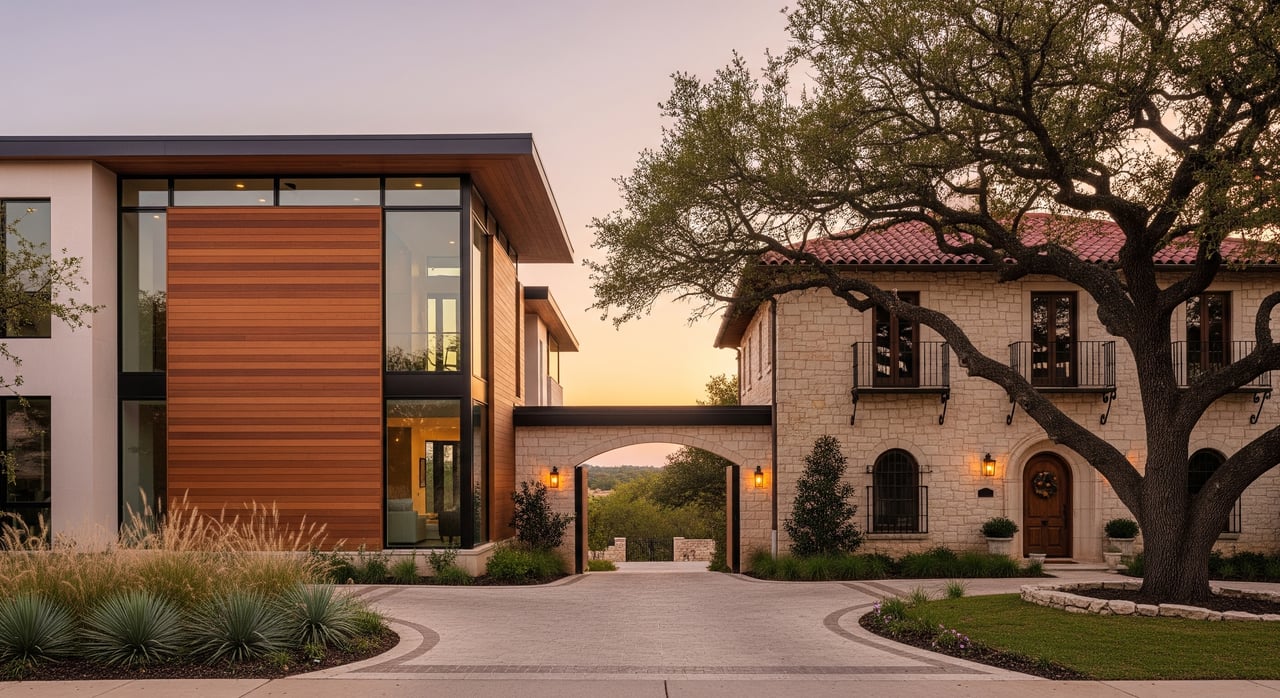
Torn between the shine of a brand-new home and the charm of an existing one? You’re not alone. In San Antonio, both options offer real benefits, and the right choice depends on your timeline, budget, and lifestyle. In this guide, you’ll compare pros, cons, and true costs for each path so you can move forward with confidence. Let’s dive in.
San Antonio market factors
San Antonio blends historic neighborhoods inside Loop 410 with fast-growing master-planned communities on the edges of Bexar County. New builds cluster where land and infrastructure are expanding. Resales dominate in established areas with mature trees and long-standing amenities.
Local costs vary by address. Property tax rates, school districts, utilities, and municipal fees can differ across the city, unincorporated Bexar County, and nearby municipalities. Always verify these items for the specific property you’re considering.
New construction: pros and cons
Top advantages
- New systems and warranties. Many builders provide a workmanship, systems, and structural warranty structure often described as 1-2-10.
- Modern layouts and tech. You’ll see open plans, larger closets, and options for smart-home features.
- Energy efficiency and codes. New homes meet current building standards and often include improved insulation, windows, and HVAC.
- Lower immediate maintenance. You’re less likely to face near-term repair bills.
- Customization at purchase. Select finishes and upgrades when you buy early in the process.
Potential drawbacks
- Higher upfront outlay. Lot premiums and upgrades can push the price above the base.
- Smaller lots in some communities. Setbacks and lot sizes may be tighter than in older neighborhoods.
- Build-time delays. Weather, supply chain issues, or permits can slow delivery.
- Limited price negotiation. Large builders may favor incentives over price cuts.
- Ongoing construction nearby. Early phases can mean trucks, noise, and limited nearby retail.
- Appraisal and resale risk. Few comparable sales can make appraisals conservative in new subdivisions.
New-build costs to plan for
Budget beyond the base price. Common line items include:
- Base price plus any lot premium
- Design center options and structural upgrades
- Landscaping, fencing, exterior concrete, and sod that may not be fully included
- Utility connection, impact, and permit fees based on the subdivision and municipality
- Third-party warranty fees or transfers, if applicable
- HOA initiation and dues
- Construction loan or builder-financing costs and possible interest during the build
- Moving expenses, window coverings, and any appliances not in the contract
Resale homes: pros and cons
Why resales appeal
- Established neighborhoods. Mature landscaping, built-out roads, and nearby retail are common.
- Room to negotiate. Price, timing, and seller concessions may be flexible.
- Architectural variety and larger lots. Older areas often offer character and unique layouts.
- Faster move-in. Typical closings are quicker than a ground-up build.
- Easier appraisal support. Comparable sales are often plentiful.
Common trade-offs
- Age-related repairs. Roof, HVAC, plumbing, or electrical may need attention.
- Hidden issues. Foundation, termite, or drainage problems can surface during inspections.
- Lower efficiency. Older windows and insulation can raise utility costs.
- Functional obsolescence. Some homes have smaller rooms or closed-off layouts.
Resale costs to expect
- Purchase price and closing costs
- General home inspection and any specialty inspections
- Immediate repairs and near-term replacements
- Renovation or modernization work, if desired
- HOA dues where applicable
- Property taxes and insurance tied to age and condition
Timeline, financing, and appraisals
- New construction: You may use a construction or construction-to-permanent loan for a build, or a standard loan for a completed spec home. Rate locks, interest during construction, and builder incentives like rate buydowns can affect your true cost. Appraisals may be challenging if the subdivision lacks comparable sales.
- Resale: Conventional, FHA, VA, or USDA loans are common with predictable steps and timelines. Appraisals are typically supported by neighborhood comparables. Standard Texas contracts include inspection and financing contingencies.
Total cost of ownership
Your purchase price is only part of the picture. Look at:
- Property taxes. Bills reflect appraised value and local tax rates that vary by city, county, school district, and special districts. Newly built homes often have recent valuations. Review exemptions where applicable.
- HOA dues and rules. New communities often include HOAs. Study budgets, covenants, and any planned assessments.
- Utilities and efficiency. Newer systems may lower energy costs, while older homes can cost more to operate.
- Maintenance curve. New builds often have fewer near-term repairs. Resales can require upfront fixes and replacements.
Decision framework for Bexar buyers
Use these quick questions to narrow your path:
- Timeline: Do you need to move in soon or can you wait months to build?
- Budget elasticity: Can you absorb lot premiums and upgrades, or would you rather negotiate on a resale and plan for repairs?
- Risk tolerance: Do you prefer new systems and warranties or do you value location and character more?
- Location priorities: Do you want a mature neighborhood close to urban amenities or a newer community with fresh amenities?
- Financing: Are you comfortable with construction-to-perm loan requirements or do you prefer a standard mortgage?
- Taxes and HOAs: Which school district and taxing entities apply to the address, and what are the HOA costs and rules?
Practical tips for a smooth purchase
New construction checklist
- Confirm what the base price includes, plus lot premium and final plat.
- Get a written list of included finishes and appliances.
- Review builder contracts, timelines, dispute terms, and warranties.
- Schedule independent inspections at key phases, such as pre-drywall and final.
- Understand utility, impact, and permit fees for the subdivision.
- Read HOA rules, budget, and any planned assessments.
Resale checklist
- Order a full home inspection and specialty inspections if needed.
- Review the Seller’s Disclosure and past repair records.
- Pull comparable sales to understand value and appraisal support.
- Research property tax history and any recent increases.
- Check location-specific risks like floodplain and known local issues.
The bottom line in Bexar County
Both paths can be smart in San Antonio. New construction gives you modern design, energy efficiency, and warranty support, often with higher upfront cost and a longer timeline. Resale offers established neighborhoods, faster move-in, and more room to negotiate, with potential repair costs in the first years.
If you want guidance tailored to your timeline, budget, and commute, you’re not alone. Work with a local pro who understands military moves, VA options, and neighborhood nuances. For a concierge approach from search to keys, connect with Evie Hansen.
FAQs
Which new-build costs are often not advertised?
- Lot premiums, design upgrades, landscaping, window coverings, utility or impact fees, and HOA initiation and dues are common extras.
Do I need inspections on a new home in San Antonio?
- Yes. Independent inspections at pre-drywall and final walkthrough help catch workmanship and code issues before closing.
How do new-home warranties usually work?
- Many builders use a structure often described as 1-year workmanship, 2-year systems, and 10-year structural coverage. Read what is covered and how to file claims.
Will a new home cost less to operate than a resale?
- Often, yes. Newer homes tend to be more energy efficient and require fewer early repairs, though actual costs vary by systems and how you use the home.
How do taxes differ between new and resale homes?
- Property taxes depend on appraised value and local tax rates that vary by area. New builds may have recent valuations. Verify rates and exemptions for the property.
What financing challenges are unique to building?
- Construction or construction-to-permanent loans can include interest during construction, different underwriting steps, and draw schedules that differ from standard loans.