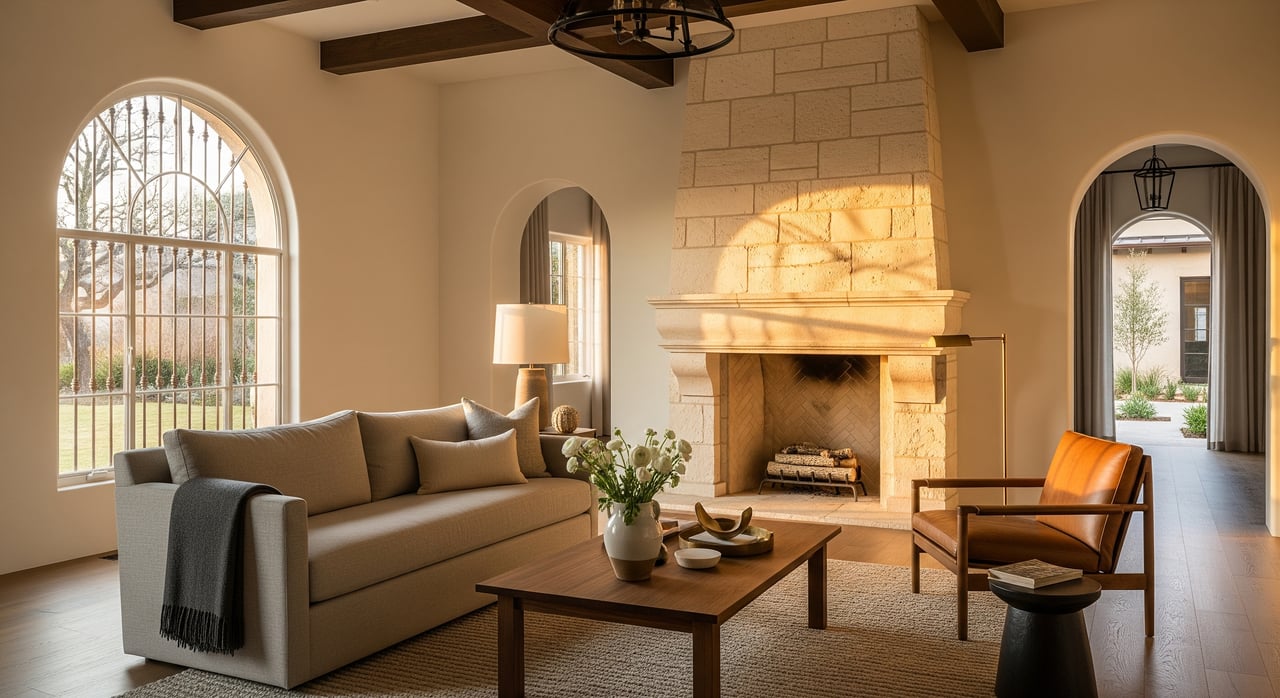
Listing soon and short on time? You’re not alone. Between PCS timelines, work, and family life, getting a home market‑ready in San Antonio can feel overwhelming. Evie’s Speed Staging is built for moments like this. In this guide, you’ll learn what speed staging is, how it works in Bexar County, when it pays off, and how to get your home photo‑ready fast. Let’s dive in.
What speed staging means
Speed staging is a fast, focused version of traditional staging designed to get your home listing‑ready in days, not weeks. Instead of staging every room, it prioritizes high‑impact spaces like the living room, kitchen, primary bedroom, and curb appeal. The goal is a clean, polished look that photographs well and guides buyers through the space.
You can choose from several approaches:
- Partial or key‑room staging for essential spaces only.
- Rapid physical staging with minimal furniture and decor to show scale and flow.
- Virtual staging for select rooms, using digitally added furniture in photos.
- Hybrid staging that combines physical staging in main areas with virtual staging elsewhere.
Why it works in San Antonio
San Antonio’s buyer pool is diverse and includes active‑duty military households, first‑time buyers, move‑up buyers, and retirees. Clear, neutral staging helps every buyer visualize how they would live in the home. That clarity drives more showings and stronger interest.
Local home styles also matter. From single‑story ranch homes and suburban new builds to historic areas like Alamo Heights or King William, staging should respect the property’s architecture. The right pieces highlight original details without overpowering them.
Climate is part of the story, too. Lighter color palettes, breathable fabrics, and shaded outdoor seating play well in our hot, bright summers. Outdoor touches and drought‑tolerant cues signal easy indoor‑outdoor living, which many buyers appreciate.
What you can expect
Evie’s Speed Staging focuses on quick impact and low disruption. Typical steps include:
- Initial consult. After a walkthrough in person or by video, you’ll get a simple plan that targets key rooms and curb appeal.
- Scope and agreement. You select a package that fits your timeline and budget. The agreement outlines rooms, rental terms, delivery, and pickup.
- Setup. Most speed staging can be deployed within 24–72 hours from approval. On install day, setup usually takes 2–6 hours.
- Photography. The home is styled for professional photos right away. Great photos boost listing performance across MLS and social platforms.
- Feedback tweaks. If buyer feedback suggests small changes, quick adjustments can be made.
- Pickup. Items remain through showings and are removed after you’re under contract or at a scheduled time.
Rooms to prioritize
Focus on the spaces buyers remember most:
- Living room: establish scale, seating zones, and flow.
- Kitchen: clear counters, subtle styling, and good lighting.
- Primary bedroom: calm, simple bedding and balanced furniture.
- Entry and curb: fresh door mats, planters, and tidy landscaping.
- Outdoor living: a small seating vignette that hints at low‑maintenance enjoyment.
Physical, virtual, or hybrid?
- Physical staging: Best for main rooms and first impressions during showings. It shows scale and walking paths that matter in person.
- Virtual staging: Fast and budget‑friendly for vacant rooms that are less critical in person. Always disclose virtual edits to avoid confusion.
- Hybrid: A smart middle ground. Stage the “hero” rooms physically and use virtual staging for the rest.
Marketing and buyer impact
Staging improves visual clarity, which makes photos pop and helps buyers understand how spaces work. Better photos typically produce more showings. In balanced or slower markets, staged homes often sell faster and can attract stronger offers than similar unstaged properties. While no one can guarantee a price or speed, strategic staging is a proven marketing tool that supports your list price and overall presentation.
Cost and ROI basics
Speed staging is designed to keep costs lean by focusing on the rooms that move the needle. Common pricing structures include:
- Flat‑fee packages for key rooms with delivery and setup.
- Per‑room add‑ons for secondary spaces.
- Month‑to‑month rental terms after the initial setup period.
- A la carte options for virtual staging or last‑minute scheduling.
Return on investment is often strongest in mid‑to‑upper price points where buyers expect a polished presentation. For entry‑level homes, key‑room staging typically offers the best balance of cost and impact. For tax questions, especially if you are selling an investment property, consult a CPA for guidance.
Designed for Bexar County homes
San Antonio buyers often respond well to a neutral base with warm, natural textures and earth tones. Durable, easy‑care materials keep spaces approachable and practical. In open layouts, right‑sized furniture shows traffic flow and usable zones. For older or historic homes, transitional pieces complement original details without feeling overly modern.
Logistics, rules, and peace of mind
Professional staging vendors typically carry appropriate insurance for their inventory and transport. Your staging agreement should clearly address rental duration, damage, and responsibility for items. If your home is within an HOA, confirm any rules about exterior displays or signage before planning curb appeal accents.
When using virtual staging, disclose that photos have been digitally altered to maintain transparency. Agents also follow Texas Real Estate Commission and local MLS guidance on advertising and disclosures. If the home is occupied, plan access windows for the staging team and photographers that work with your schedule.
When staging may not be worth it
Staging is powerful, but it is not always the answer. You might skip staging if:
- The home needs significant repairs that would overshadow presentation.
- You plan to sell as‑is to investors who do not rely on staged photos.
- The price point is so low that staging costs would absorb your margin.
- Market conditions and recent sales indicate immediate, above‑asking demand.
Quick seller checklist
Use this simple plan to move fast and stay organized:
Pre‑engagement
- Review comparable sales and target buyer profiles.
- Confirm HOA and City of San Antonio rules for any exterior accents.
- Choose the rooms to prioritize: living, kitchen, primary, and curb.
Day of staging
- Complete a rapid declutter and deep clean.
- Install furniture and decor with clear pathways and balanced lighting.
- Keep surfaces simple and scents neutral. Avoid strong fragrances.
- Photograph the staged rooms within 24 hours.
Post‑staging
- Track showing feedback and adjust if needed.
- Coordinate pickup with your contract timeline and closing.
- Save the inventory list and photos for your records.
Ready to move fast?
If you need a polished listing in days, not weeks, Evie’s Speed Staging can help you present your home at its best while keeping life moving. As a Certified Military Relocation Specialist backed by modern marketing tools, Evie understands tight timelines and how staging supports your sale strategy. Ready to talk timeline, rooms, and next steps? Reach out to Evie Hansen to get started.

FAQs
How fast can speed staging be completed in San Antonio?
- Many projects target a 24–72 hour window from approval for key‑room staging, with setup often completed in a single afternoon.
Which rooms should I stage first for the best impact?
- Focus on the living room, kitchen, primary bedroom, and curb appeal. These areas shape buyer impressions and listing photos.
Can I live in my home while it’s staged?
- Yes. Speed staging often works in occupied homes and is planned to minimize disruption to your daily routine.
Is virtual staging acceptable for my listing photos?
- Yes. It is fast and cost‑effective for vacant rooms. Be sure to disclose that photos include digital edits to keep expectations clear.
How long do staged items stay in my home?
- Most staging agreements include at least one month of rental time and then convert to month‑to‑month. Pickup is coordinated with your sale timeline.
Who pays for staging and how is pricing structured?
- Sellers typically cover staging as part of the listing strategy. Pricing may include a flat package for key rooms, add‑ons by room, and monthly rental after setup.